Beyond the Algorithm: How African Digital Creators Are Building Empires on Their Own Terms
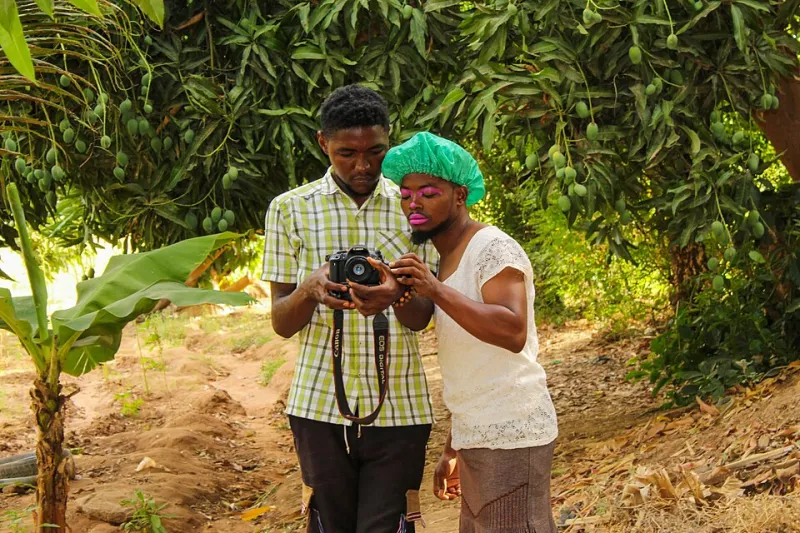
Photo: Apdoull, CC BY-SA 4.0, via Wikimedia Commons
The global creator economy, valued at over $250 billion according to Goldman Sachs, has largely been discussed through a Western lens—YouTube channels monetized in Los Angeles, Substack newsletters launched in New York, TikTok stars cultivated in the suburbs of Atlanta. That framing is becoming increasingly difficult to sustain.
Across Africa, a generation of digital content entrepreneurs is constructing media businesses of remarkable scale and sophistication, often outperforming their Western counterparts on the metrics that matter most: audience engagement, community retention, and revenue diversification. They are doing so not by imitating Silicon Valley's playbook, but by writing an entirely new one.
A Movement Built From the Ground Up
The numbers tell a compelling story. Africa currently has over 570 million internet users, a figure growing faster than any other region globally. Youth under 35 represent more than 60 percent of the continent's population, and that demographic is consuming—and producing—digital content at a remarkable pace. YouTube has publicly identified Nigeria, Kenya, South Africa, and Ghana as among its fastest-growing creator markets worldwide. TikTok's African user base has expanded dramatically since 2020, with creators from Ethiopia, Tanzania, and Côte d'Ivoire amassing followings that rival established Western accounts.
What distinguishes Africa's creator economy is not simply its growth rate. It is the depth of the relationship between creators and their audiences—a dynamic rooted in shared cultural identity, linguistic authenticity, and community trust that platforms and advertisers are only beginning to understand.
Case Study: Music and the Lagos Effect
Few sectors illustrate the commercial power of African content creation more vividly than music. The global ascendancy of Afrobeats—a genre rooted in Lagos's creative underground—has generated a content ecosystem of enormous value. Independent artists such as Rema, Tems, and Ayra Starr have built multimillion-dollar careers by cultivating deeply loyal digital communities before securing major label partnerships.
But the real innovation is happening at the infrastructure level. Platforms such as Audiomack, which has invested significantly in African creator partnerships, and Boomplay, a music streaming service with over 100 million users across the continent, have enabled artists to monetize directly without the intermediation of Western gatekeepers. Producers and artists are layering merchandise, fan subscription tiers, and brand licensing onto their content operations, creating diversified revenue streams that reduce dependence on streaming royalties alone.
DJ Neptune, a Lagos-based producer with tens of millions of streams, has publicly discussed building what he describes as a "content company" rather than a music career—a distinction that reflects a broader shift in how African creators conceptualize their work.
Case Study: Education Creators and the Knowledge Economy
Beyond entertainment, educational content creation represents one of the fastest-growing and most commercially durable segments of Africa's creator economy. The continent's significant gaps in formal education access have created enormous demand for high-quality instructional content delivered through digital platforms.
Zach Abuza, a Nairobi-based creator whose YouTube channel on financial literacy has accumulated over 1.2 million subscribers, built a seven-figure business by translating complex personal finance concepts into culturally relevant content for East African audiences. His revenue model combines AdSense income with a paid membership community, digital courses sold through his own website, and corporate partnerships with financial institutions seeking to reach young, financially active consumers.
Similarly, Fisayo Longe, a Nigerian fashion entrepreneur who began documenting her design process on Instagram and YouTube, has translated a loyal digital following into a fashion brand with international distribution. Her content functions as both marketing and product—a model of vertical integration that many US-based direct-to-consumer brands have struggled to execute with comparable authenticity.
The Platforms and Tools Powering the Boom
African creators are leveraging both global platforms and a growing suite of continent-specific tools to build and monetize their audiences. WhatsApp Communities, Instagram Broadcast Channels, and Telegram groups function as primary community infrastructure in ways that differ meaningfully from US creator behavior, where platforms such as Discord and Patreon tend to dominate.
Homegrown fintech infrastructure has been equally critical. Mobile money platforms—M-Pesa in Kenya, MTN Mobile Money across West and Central Africa—have enabled creators to collect payments from audiences who may not have access to credit cards or traditional banking services. This frictionless payment layer has unlocked subscription models and tip-based monetization that would have been impossible a decade ago.
Startups such as Mono and Paystack (the latter acquired by Stripe in 2020) have further simplified the commerce infrastructure available to creators, enabling e-commerce storefronts, digital product sales, and recurring subscription billing at a level of reliability that was previously unavailable in many African markets.
Why US Investors Should Be Watching Closely
For American investors evaluating opportunities in the creator economy, Africa represents an underexamined but increasingly compelling frontier. Several structural factors make the opportunity particularly attractive.
First, the monetization gap remains significant. African creators with audiences in the tens of millions frequently generate a fraction of the advertising revenue their Western counterparts earn from comparable viewership, due to lower CPM rates set by global platforms. As African consumer purchasing power grows and platforms recalibrate their revenue-sharing models, that gap is expected to close substantially—creating significant upside for early investors in creator-focused platforms and tools.
Second, the community loyalty characteristic of African creator audiences represents a highly defensible asset. Engagement rates on African creator accounts consistently outperform global averages, a reflection of the cultural specificity and authenticity that resonates deeply with audiences underserved by mainstream Western content.
Third, the infrastructure buildout is still in early stages. Creator economy tooling—analytics platforms, monetization infrastructure, brand partnership marketplaces—remains underdeveloped relative to the size and growth trajectory of the market. Companies that establish themselves in this space now will benefit from the same network effects that made Patreon, Substack, and Shopify so valuable in the US market.
A New Definition of the Creator Economy
Africa's digital content entrepreneurs are not simply participants in a global trend. They are, in many respects, ahead of it. By necessity, they have built businesses that are less dependent on platform advertising, more deeply embedded in community relationships, and more diversified in their revenue architecture than many of their Western counterparts.
The creator economy was never a Silicon Valley invention. It was always a human one—driven by storytelling, trust, and the desire to connect. African creators understood that instinctively. The rest of the world is catching up.