Trust Before Tap: How Africa's Mobile Money Marketplaces Solved Checkout Problems America Hasn't
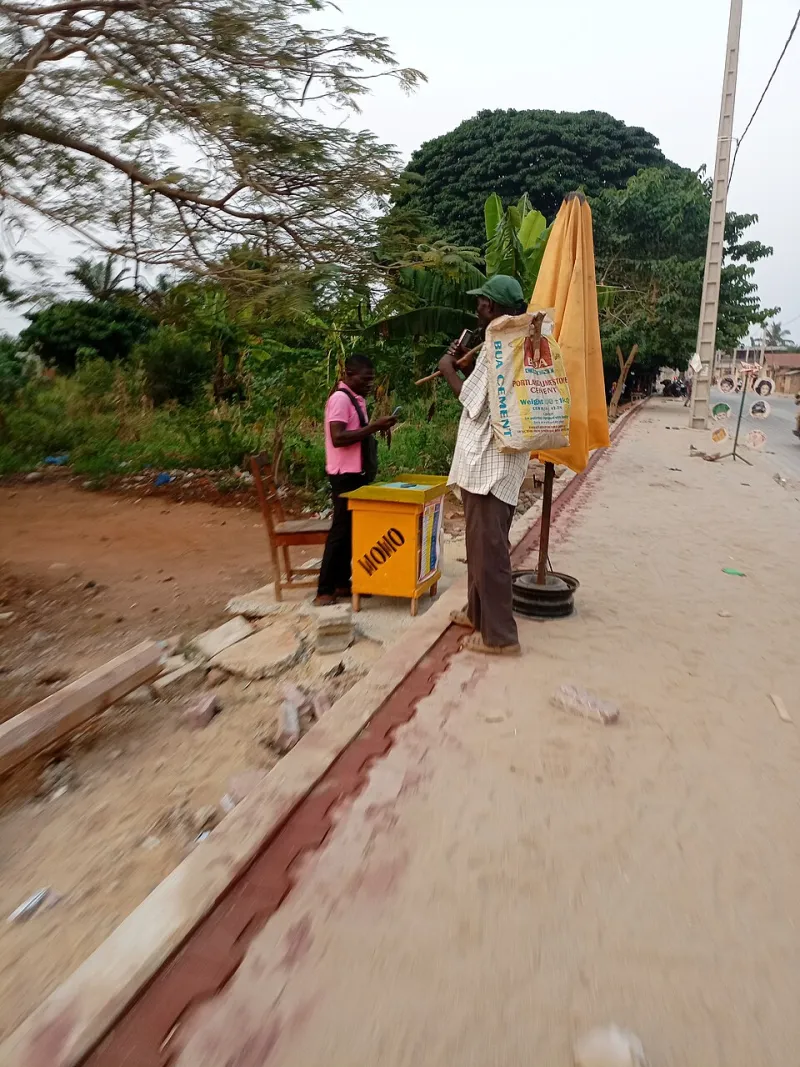
Photo: Saliousoft, CC BY-SA 4.0, via Wikimedia Commons
American e-commerce has a problem it rarely names out loud: roughly seven in ten digital shopping carts are abandoned before purchase. US retailers have responded with retargeting ads, abandoned-cart emails, and one-click wallets — all of which treat the symptom, not the cause. Meanwhile, on a continent where credit card penetration remains low, African platforms were forced to solve the deeper problem: how do you get a stranger to hand over money for goods they haven't seen, through a system they may not trust?
The answers they engineered — pay-on-delivery networks, mobile money escrow, agent-assisted checkout — are now drawing attention from American retail executives who recognize that friction is not primarily a technology problem. It is a trust problem. And Africa's marketplaces have been stress-testing trust infrastructure for over a decade.
Escrow as a Default, Not an Upgrade
Consider the architecture behind platforms like Jumia and Konga. Because many African consumers were unwilling to pay upfront to an unknown online merchant, these marketplaces built escrow-style payment flows into the core transaction. Funds are held by the platform until the customer confirms delivery. Refund paths are explicit and fast.
In the US, escrow exists mostly in real estate and freelance marketplaces. In African e-commerce, it became the standard checkout experience. The result: conversion rates in markets with minimal banking infrastructure that frequently outperform comparable US flows, because the buyer's risk is structurally reduced rather than psychologically reassured.
The Agent Is the Payment Rail
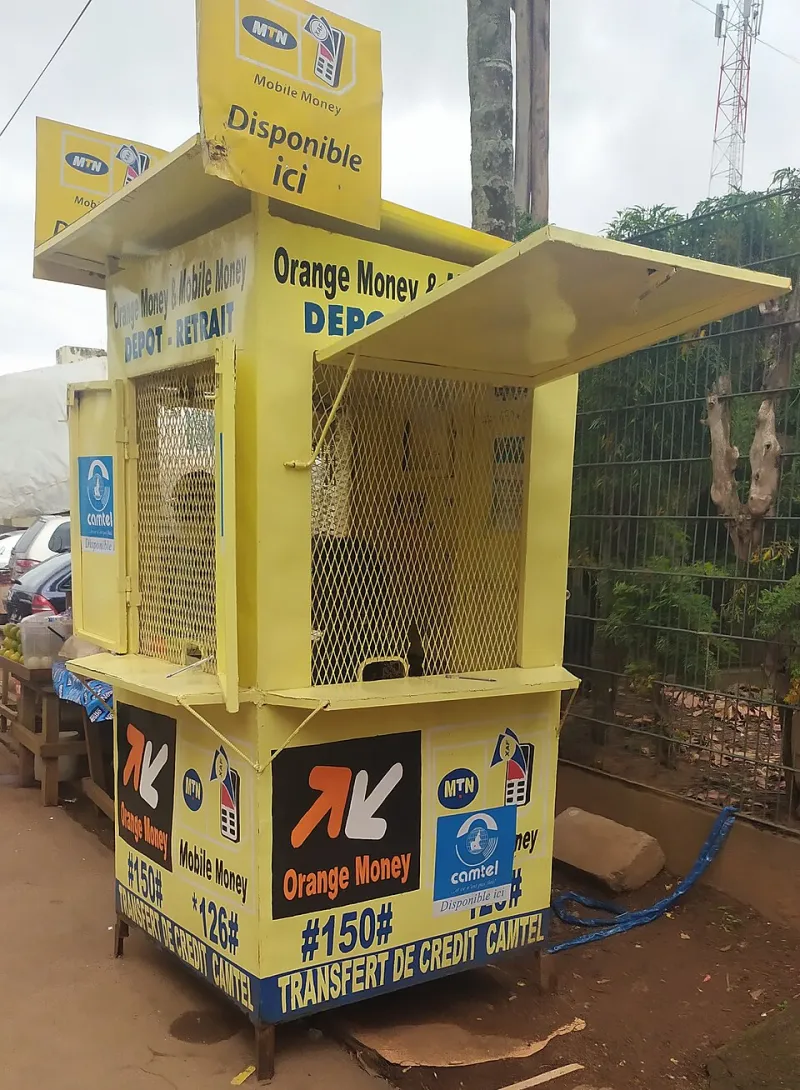
Perhaps the most misunderstood innovation is the agent network. When a customer lacks a bank account, a smartphone, or both, the transaction doesn't die — it routes through a human. Neighborhood agents, often running small kiosk businesses, accept cash, initiate mobile money transfers, and serve as the last-mile bridge between informal economies and digital marketplaces.
M-Pesa's agent model, which transformed Kenya's payment landscape, demonstrated that a distributed human network can do what point-of-sale hardware never could: put a payment terminal on every corner. US companies are now circling the same insight. Fintech firms experimenting with cash-checkout partnerships at convenience stores — the Dollar General and 7-Eleven crowd — are, in effect, rebuilding the African agent network one bodega at a time.
Pay on Delivery, at Scale
Cash-on-delivery carries a reputation in Western logistics as a legacy practice, expensive and fraud-prone. African operators refined it into something sharper: pay-on-delivery networks where the courier doubles as the payment collector and the platform's escrow agent. Riders carry mobile money floats, reconcile daily, and give customers a zero-risk entry point into e-commerce.
The lesson for US retailers is uncomfortable but instructive. Buy-now-pay-later startups like Klarna and Affirm conquered American checkout by deferring payment risk to merchants and lenders. African platforms solved it differently — by letting customers pay only when the product is physically in hand. For the estimated 4.5% of American households that remain unbanked or underbanked, and for the far larger share who simply distrust online merchants, that model has obvious appeal. Early pilots bringing delivery-attached payments to US markets suggest the interest is more than academic.
What Cart Abandonment Actually Costs
American e-commerce loses tens of billions of dollars annually to abandoned checkouts. The dominant fixes — smoother UX, saved cards, autofill — assume the shopper wanted the product and was defeated by friction. African marketplaces assume something more nuanced: the shopper may want the product but not yet trust the transaction. Design for that assumption, and the checkout changes entirely. Payment becomes reversible. Delivery becomes verification. The courier becomes a customer-success agent.
None of this requires exotic technology. It requires a philosophy: that the platform carries the risk until trust is earned. For an American retail sector staring down stagnating conversion rates and rising customer-acquisition costs, that philosophy — proven across 54 markets and more than a billion people — may be the most underpriced idea in e-commerce.
The next wave of US checkout innovation may not come from a Silicon Valley hackathon. It may come from studying what African marketplaces learned when they had no choice but to build trust first.